Practical guide
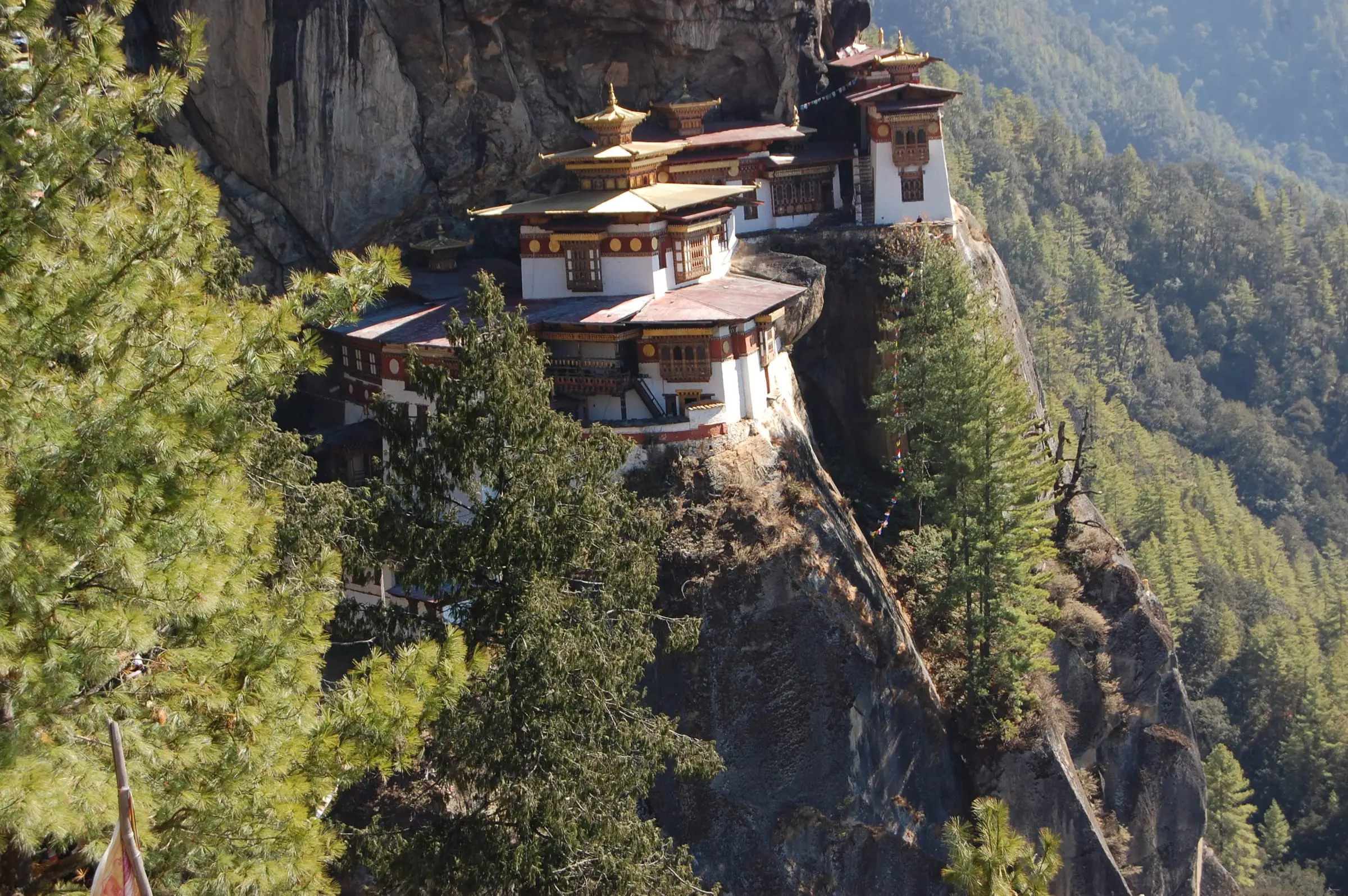
Plan your visit to Tiger’s Nest
⚠️ The costs below were last verified 12 July 2026. Fees, hours and visa rules change — always reconfirm against the official bhutan.travel portal before you book.
What it costs
Two charges: the daily SDF and a monument fee
Budget for two things. First, the country-wide Sustainable Development Fee (SDF) — a nightly fee every tourist pays, which funds Bhutan’s “High Value, Low Impact” tourism model. Second, a separate monument entrance fee for Tiger’s Nest itself.
Sustainable Development Fee (per night)
- US$100 per person, per night for international tourists
- INR 1,200 per person, per night for Indian nationals
- 50% off for children aged 6–11 (until they turn 12); children 5 and under are exempt
Tiger’s Nest monument fee
- ~Nu 1,000 (about US$12) per person to enter the monastery — a monument fee separate from the SDF, usually collected as part of your tour (children under 18 — ages 6–17 — pay half; 5 and under free).
Since 1 January 2026, a 5% GST also applies to tour services — hotels, guiding, in-country transport and included meals. The SDF itself and the visa fee are exempt. It replaces Bhutan’s old 10% sales tax on hotels and restaurants, so bundled package prices shift only slightly.
Visa & guide
Visa, and a guide who comes with you
All foreign nationals need a visa except citizens of India, Bangladesh and the Maldives (who enter on a permit). You apply online; visa approval is issued once your SDF is paid, and your passport should be valid for at least six months. A licensed Bhutanese guide is mandatory and accompanies you on the hike — independent trekking to the monastery isn’t permitted for foreign visitors. Both are arranged as part of your tour.
When to go
Best seasons and opening hours
Aim for spring (March–May) or autumn (September–November) — clear skies, mild temperatures and, in spring, rhododendron blooms. Avoid the summer monsoon (slippery, leeches, cloud-hidden views) and deep winter ice on the upper trail. Start early: the monastery is generally open 9 am–12 noon and 2–5 pm, with a midday closure around lunch, so set off in the early morning to climb, tour the interior and descend before it closes.
| Season | Months | Trail & views | Verdict |
|---|---|---|---|
| Spring | Mar–May | Clear and mild (roughly 10–18 °C at the monastery), rhododendrons in bloom | Best |
| Monsoon | Jun–Aug | Slippery mud, leeches, views often hidden in cloud | Avoid |
| Autumn | Sep–Nov | Crispest air and visibility (roughly 8–16 °C at the monastery) | Best |
| Winter | Dec–Feb | Clearest skies but cold; possible ice or snow on the upper trail | Doable, go prepared |
Where it fits
Don’t hike on your first day in Bhutan
The monastery sits at 3,120 m, and the altitude — not the trail — is what catches people out, especially straight off a flight from sea level. Give your body two or three days to acclimatise first: most itineraries explore Thimphu (~2,300 m) and the lower Punakha valley before returning to Paro for the climb.
Schedule the hike for your second-to-last day, not the last. If cloud or rain closes in, the spare day is your backup; on the last day there is none — and this is not a view to leave to chance.
On site & what to bring
Rules at the monastery
- No photography inside the temples — cameras, phones and bags go in lockers at the entrance. Exterior photos are fine, so shoot on the approach.
- Dress modestly: long trousers/skirts, covered shoulders; remove shoes and headgear before entering shrine rooms.
- It’s an active place of worship — keep a quiet, respectful manner.
Pack
Broken-in hiking shoes, layers plus a light rain shell, 1–1.5 L of water and snacks, sun hat and sunscreen, modest temple-appropriate clothing, and some ngultrum cash for the pole, mule, cafeteria and tips.
Tiger’s Nest visiting FAQ
How much does it cost to visit Tiger’s Nest?
Two charges apply: Bhutan’s Sustainable Development Fee of US$100 per person per night (a reduced rate valid until 31 August 2027), plus a Tiger’s Nest monument fee of about Nu 1,000 (around US$12) per person. Since 1 January 2026 a 5% GST also applies to tour services such as hotels, guiding and transport — the SDF itself is exempt. Reconfirm current amounts on the official bhutan.travel portal before you book.
Do I need a guide to hike to Tiger’s Nest?
Yes. A licensed Bhutanese guide is mandatory for international tourists and accompanies you on the hike; independent trekking to the monastery is not permitted for foreign visitors.
What are the opening hours at Tiger’s Nest?
The monastery is generally open 9 am to 12 noon and 2 pm to 5 pm, with a midday closure around lunch. Hours can shift with festival days, so reconfirm locally and start the hike early.
What is the best time of year to visit Tiger’s Nest?
Spring (March to May) and autumn (September to November) offer clear skies and mild weather. Avoid the summer monsoon and deep winter ice on the upper trail.
Is there a dress code, and can I take photos inside?
Cover your shoulders and knees, and remove shoes and headgear in the shrine rooms. Photography is not permitted inside the temples — cameras, phones and bags go in lockers at the entrance — but exterior photography is fine.
Let Little Bhutan handle the logistics
Permits, visa, guide, hotels and the SDF — all arranged for you, so planning is one conversation instead of ten.
Plan Your Trip See all Bhutan tours
Trips arranged by Little Bhutan · locally owned & operated